Views: 1 Author: Site Editor Publish Time: 2026-08-27 Origin: Site
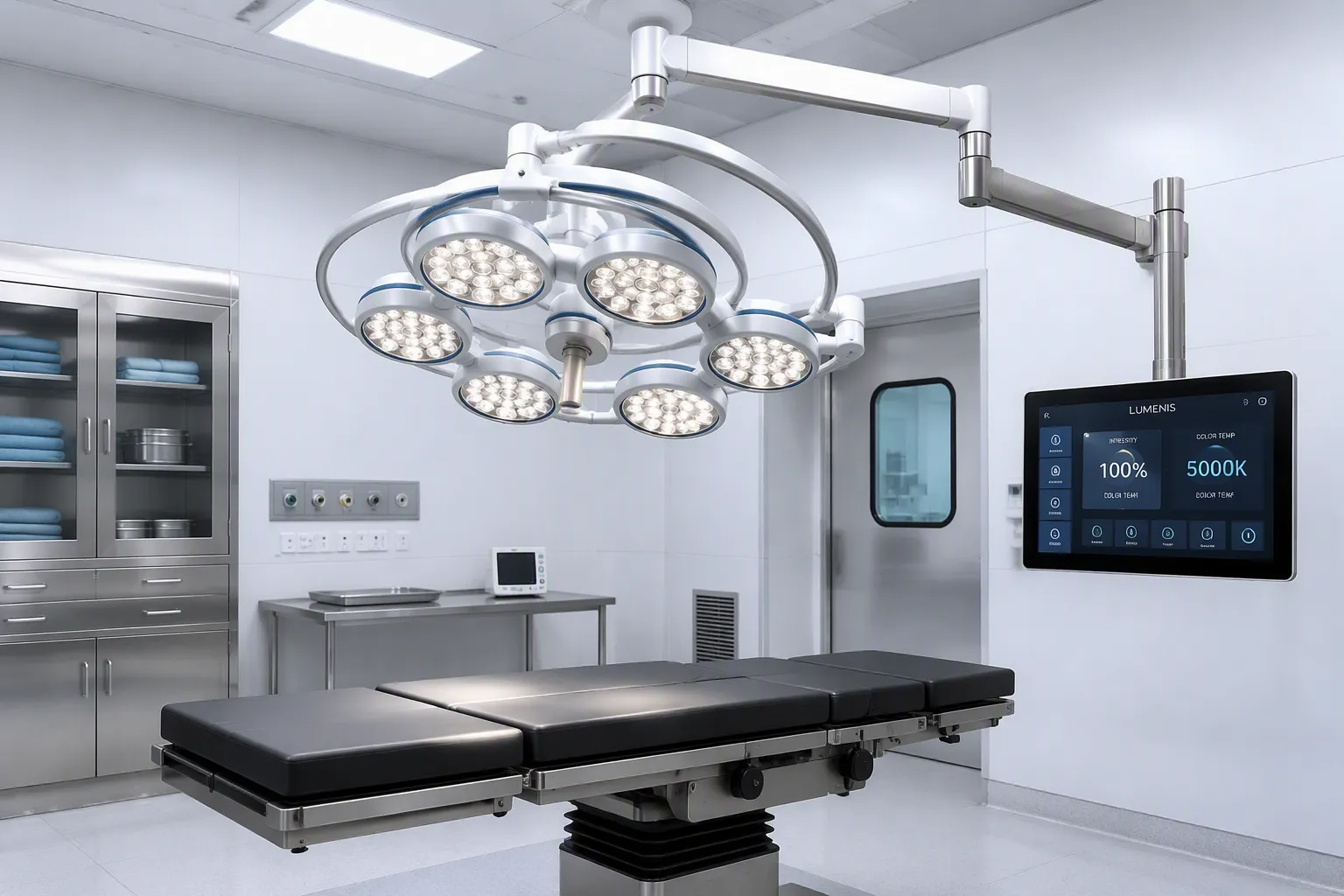
The top 10 operating lamp suppliers to watch in 2026 are Maquet (Getinge), Stryker, Hill-Rom (Baxter), Steris, Dräger, Skytron, Burton Medical, Bovie Medical, Mindray, and Merivaara. You should evaluate these companies based on their LED innovation, global reach, and OR reliability. Fortune Business Insights values the global surgical lights market at USD 775.91 million in 2025. Each profile below covers company background, key product features, and competitive advantages. This information helps you make informed procurement decisions when selecting an Operation Light Supplier Operating Lamp Supplier Operating Table Supplier.
Check each supplier's LED innovation, global reach, and OR reliability. These factors guide your procurement decision.
Consider both top brands like Maquet and new players like Mindray. They offer different values for your budget.
Focus on light quality, camera integration, ergonomic design, and service support. These criteria ensure long-term value.
Maquet stands as a cornerstone in surgical lighting. You will find their LED systems in operating rooms worldwide. The company focuses on precision illumination and seamless integration with surgical workflows. Their lights deliver consistent color temperature and depth perception. You benefit from reduced shadows and enhanced visibility during complex procedures. Maquet's commitment to reliability makes them a trusted choice for hospitals seeking long-term performance.
Stryker continues to push boundaries in surgical lighting technology. Their latest systems incorporate several advanced features. You gain access to Auto Lux technology, which provides 160,000 lux at the surgical site regardless of spot size. This ensures uniform brightness throughout your procedure. Fly Eye technology delivers shadow-free light distribution across the entire surgical field. You also benefit from SHD Mode, which enhances tissue differentiation by removing perceived red and reducing glare. Stryker applies HeiQ HyProTect antimicrobial coating to high-touch areas like the light head and control units. This coating inhibits microorganism growth and supports your infection prevention protocols. The modular design reduces eye strain, heat, and fatigue for your surgical team.
Hill-Rom, now part of Baxter, excels in creating connected operating rooms. The Helux Pro Surgical Light integrates seamlessly with OR integration systems. You can route 4K imaging through certified third-party equipment. This capability allows visual data to flow across your entire OR ecosystem. The combination of lighting, imaging, and external systems creates a fully connected experience. You gain better coordination and communication during surgical procedures.
Steris brings decades of expertise to surgical environments. Their lighting solutions prioritize durability and consistent performance. You receive systems designed for demanding surgical schedules. Steris focuses on ergonomic positioning and intuitive controls. Their lights support your team's efficiency while maintaining excellent illumination quality. When you evaluate an Operation Light Supplier Operating Lamp Supplier Operating Table Supplier, Steris offers a balanced combination of innovation and practicality.
Dräger delivers surgical lighting systems engineered for precision and adaptability. You gain access to adjustable light functions that let you select different color temperatures, light intensities, and light field diameters. The Endo Light Mode provides a dedicated setting for endoscopic procedures. An integrated 4K camera sits seamlessly next to the inner handle, delivering clear and precise images immediately. Dräger's 3D Shadow Compensation actively controls LEDs to detect objects between the light head and surgical field. This technology compensates for shadowing and maintains constant brightness. The Light Guard feature limits irradiance to 700 W/m² when two light heads converge on the same point. This prevents exceeding permissible limits on skin and the surgical field. Touch-sensitive controls offer intuitive operation, while the optimized optical system produces a round, homogeneous light field.
Skytron focuses on enhancing surgical precision through advanced optical engineering. Their Aurora LED series minimizes shadows and glare using hybrid LED optics. You control intensity and focus directly, with selectable color temperatures to improve accuracy. The Stellar Series provides high-intensity, focusable, shadow-free lighting. The STX model features a vertically segmented reflector design for optimal shadow control. The DoVera model uses Double Reflection technology to eliminate glare and provide uniform light across the surgical field. A sterile handle on the L5 model adjusts intensity, focus, and positioning without moving the lighthead. This capability allows precise visualization at greater working distances. High CRI and a uniform beam reduce visual ambiguity, supporting your surgical team's accuracy.
Burton Medical brings energy efficiency to the forefront of surgical lighting. The AIM LED uses 55% less energy compared to traditional lighting systems. The Burton Outpatient LED consumes 75% less energy than halogen lights while maintaining an average lifespan of 50,000 hours. You reduce operational costs without compromising illumination quality. These lamps deliver consistent brightness and color accuracy for outpatient procedures. When you evaluate an Operation Light Supplier Operating Lamp Supplier Operating Table Supplier, Burton Medical offers a compelling value proposition for facilities prioritizing sustainability and long-term savings.
Bovie Medical delivers reliable surgical lighting at a compelling price point. The System Two LED Surgical Light offers dual ceiling mount configuration for comprehensive coverage. You gain access to advanced LED technology without the premium cost associated with established brands. The regular price sits at $21,201.00, with promotional pricing available at $17,685.36. Bovie backs this system with a three-year warranty, providing peace of mind for your facility. This combination of affordability and coverage makes Bovie an attractive option for budget-conscious hospitals.
Mindray has established itself as a formidable competitor in the surgical lighting market. The company focuses on cost-effective LED solutions that deliver strong performance. You receive advanced image-guided lighting with high-brightness, uniform illumination across the surgical field. Smart control systems allow intuitive adjustments during procedures. Mindray's competitive advantage lies in its pricing strategy. Global leaders like Stryker and Maquet compete on advanced technology and OR integration. Mindray competes on value, offering essential features at a lower price point. This approach has gained significant traction in developing markets. Strong R&D capabilities drive rapid innovation cycles, closing the gap with established players. When you evaluate an Operation Light Supplier Operating Lamp Supplier Operating Table Supplier, Mindray deserves serious consideration.
Merivaara brings Scandinavian design philosophy to surgical lighting. The Finnish manufacturer emphasizes simplicity, functionality, and patient safety. Their LED systems feature intuitive controls and exceptional color rendering. You benefit from lights designed to reduce eye strain during lengthy procedures. Merivaara's modular approach allows easy upgrades as technology evolves. The company maintains a strong presence in European markets while expanding globally. Their commitment to quality craftsmanship ensures long-term reliability. For facilities seeking a balance between innovation and practicality, Merivaara offers a compelling solution.
These three emerging players demonstrate that value and quality can coexist. Each brings distinct strengths to the market. Bovie offers affordability with solid warranty coverage. Mindray provides cost-effective technology with rapid innovation. Merivaara delivers Scandinavian reliability with thoughtful design. Your procurement decision should consider these options alongside established leaders.
Selecting the right surgical lighting system requires careful evaluation across multiple dimensions. You need to assess technical specifications, integration capabilities, ergonomic design, and the supplier's ability to support your facility over the long term. The following criteria will guide your procurement decision when evaluating any Operation Light Supplier Operating Lamp Supplier Operating Table Supplier.
Light quality determines surgical precision. You should evaluate several technical parameters before making a purchase decision.
Luminance and Illuminance: Surgical lights should deliver 40,000–160,000 LUX at the surgical site. Power adjustment and shadow diffusion matter more than maximum brightness. A system that allows you to fine-tune intensity across this range provides greater flexibility for different procedure types.
Color Temperature and CRI: The ideal color temperature range spans 3,000–6,700 K. Color Rendering Index (CRI) should fall between 85 and 100, with values above 90 expected for accurate tissue color representation. The R9 value, which measures deep red rendering, deserves special attention for complex procedures.
Surgical Grade | Recommended CRI (Ra) | Recommended R9 | Typical Use Case |
|---|---|---|---|
Basic Threshold | ≥95 | ≥50 | All surgical lights (minimum requirement) |
High-End Precision | ≥95 | >50 | Neurosurgery, cardiac surgery, laparoscopic, oncology |
Standard Medical | ≥92 | >20 | General surgery, orthopedics, gynecological delivery |
For complex or precision surgeries, R9 ≥50 is mandatory. Routine general surgery can proceed with Ra ≥92.
Luminous Efficacy: Modern LED surgical lights achieve luminous efficacies up to 100 lumens per watt (lm/W) or higher. Compared to halogen lamps, LED technology offers superior efficacy. This enables a reduction in connected load of 50% or more. You reduce energy consumption while maintaining excellent illumination quality.
Lifespan and Maintenance: LED lamps dramatically outperform halogen alternatives in longevity.
Bulb Type | Average Rated Life (ARL) |
|---|---|
Halogen | 2,000 - 4,000 hours |
LED | 40,000 - 50,000 hours |
LED surgical headlights can last up to 50,000 hours or more. Halogen bulbs typically require replacement every 1,000 to 2,000 hours. This substantial difference means LEDs need far less frequent replacements. You reduce maintenance costs and minimize disruptions during surgical procedures.
Heat Management: LED lights emit minimal heat compared to traditional options. This improves comfort for your surgical team and prevents tissue desiccation at the surgical site. Lower thermal output also reduces the risk of burns and supports a safer operating environment.
Shadow and Glare Management: Multiple cross-focused light sources minimize shadows across the surgical field. Consistent illumination reduces glare and eye fatigue. Look for systems with 3D shadow compensation or similar technologies that automatically adjust LED output when objects interrupt the light path.
Modern surgical lights serve as more than illumination sources. They function as integration hubs for imaging and data. You should evaluate the camera and connectivity capabilities of each system.
Surgical Education and Training: Integrated cameras enable live broadcast to lecture rooms. You can create reusable teaching libraries from recorded procedures. This capability transforms your operating room into an educational environment.
Remote Consultation and Proctoring: Off-site experts can observe and advise in real-time through integrated camera systems. Recorded sessions accelerate credentialing for new surgeons. You expand your access to specialized expertise without requiring physical presence.
Clinical Documentation: Integrated cameras provide an objective, timestamped record for surgical logs and case reviews. This documentation supports medico-legal protection for your facility. You maintain accurate records without relying on manual note-taking.
Better Team Coordination: Routing the surgical feed to OR monitors improves situational awareness for anesthesia, nursing, and circulating staff. Everyone stays informed about procedure progress. This coordination reduces errors and improves patient outcomes.
Foundation for Digital Integrated OR: Camera integration serves as a natural entry point for building a fully digital operating room step-by-step. You can start with lighting and imaging, then expand to other connected systems.
Connectivity Standards: Look for systems that support DICOM and HL7 protocols. One-click image access eliminates system switching, reducing time and mental fatigue for your team. Comprehensive patient records combine images with lab results, notes, and prescriptions for a holistic view. Prior scans become easily accessible, saving costs and reducing radiation exposure from redundant imaging.
The integration of HL7 and DICOM enables multidisciplinary teams to access the same imaging data and patient information simultaneously. This facilitates real-time collaboration during tumor board reviews. Surgeons can quickly decide on treatment plans based on the latest scans and comprehensive patient data. The seamless data flow reduces delays and improves accuracy in surgical planning and intervention.
Ergonomic design directly impacts surgeon performance and patient outcomes. You should evaluate how each lighting system supports your team's physical comfort and workflow efficiency.
Fatigue Reduction: LED-based lighting solutions substantially reduce thermal output. This directly improves surgeon comfort and extends sustainable performance duration during lengthy procedures. This ergonomic factor correlates with reduced surgeon fatigue levels and lower error rates. Lighting design becomes a critical component of fatigue reduction in the operating room.
Ergonomic Feature | Mechanism Reducing Fatigue | Specific Benefit |
|---|---|---|
Monitor positioning | Allows neutral head/neck posture via height, angle, rotation, and tilt adjustments | Reduces neck and shoulder strain during minimally invasive procedures |
Spring-assisted arms | Counterbalanced arms allow equipment to float into position with minimal effort | Decreases repetitive strain from constant minor adjustments |
Lighting ergonomics | Shadow-free illumination with smooth repositioning | Eliminates need to bend, twist, or reach to maintain clear view |
Clutter reduction | Mounted equipment frees floor space and organizes cables | Enables fluid movement and proper posture, reducing awkward movements |
Adjustable workspaces | Systems adapt to user height, reach, and hand preference | Supports long-term musculoskeletal health and reduces fatigue accumulation |
Weight Distribution: A lightweight aluminum module paired with a rear cranial support headband distributes weight evenly. This reduces front-loaded pressure and maintains alignment during movement. Your team maintains neutral head and neck posture during long static procedure phases.
Long-term Comfort Design: Multiple adjustable fit points, replaceable comfort liners, and stable repeatable positioning prevent gradual posture shifts. These features reduce distraction that emerges over a full surgical day. Your team stays focused on the procedure rather than equipment discomfort.
Reliability Reduces Cognitive Load: Durable construction, secure quick-connect components, and audible low-battery alerts eliminate the mental burden of monitoring equipment. Predictable runtime of 3–6.5 hours directly reduces fatigue. Your team can focus entirely on patient care.
Line-of-Sight Alignment: Precise alignment between eye position and beam direction prevents unconscious head tilting and neck flexion. This reduces cervical and upper-back fatigue. Your team preserves fine motor stability throughout the procedure.
Workflow Efficiency: Traditional surgical lights require manual adjustments every 7.5 minutes on average. This causes interruptions in 64% of surgeries, extending surgery duration and increasing costs. Smart lighting systems with automatic shadow prevention reduce the need for manual repositioning. Studies using EEG measurements show that these systems reduce cognitive workload and errors. They also improve processing times and user satisfaction, thereby enhancing OR workflow efficiency.
The quality of after-sales support determines your long-term satisfaction with any surgical lighting investment. You should evaluate each supplier's service infrastructure before committing.
Commercial Capabilities: Look for suppliers that offer clinical education, service contracts, and evidence-based value propositions. These programs should quantify maintenance savings, energy efficiency, uptime, and workflow benefits. A supplier that can demonstrate lifecycle value helps you justify the investment to your administration.
Operational Resilience: Evaluate the supplier's component sourcing and regulatory compliance. Documented compliance with FDA, CE, and other standards ensures your facility meets regulatory requirements. Cybersecurity readiness matters for connected systems. Region-specific pricing models demonstrate the supplier's commitment to your market.
Partnership Model: Strong suppliers maintain partnerships that support installation, training, and maintenance across premium hospital networks. These partnerships ensure you receive comprehensive support throughout the equipment lifecycle. You gain access to specialized expertise when you need it most.
Technical and Clinical Excellence: Clinical-grade performance, regulatory discipline, and installation expertise distinguish top-tier suppliers. AI-ready integration capabilities position your facility for future technological advances. Measurable lifecycle value demonstrates the supplier's confidence in their products.
Response Times: Time is critical in a surgical environment. Leading suppliers prioritize fast diagnostics and efficient repairs to minimize OR downtime. Some offer after-hours service when necessary. Local, factory-trained technicians provide rapid-response surgical light repair with faster response times for emergencies. They arrive with diagnostic tools and parts to minimize downtime.
In the end, the choice of an operating lamp supplier depends on various factors, such as the specific requirements of the hospital or surgical center, budget constraints, and the need for advanced features. Hospitals should carefully evaluate these suppliers based on their own needs to select the most suitable operating lamp solution for their surgical procedures.
Your evaluation should balance technical specifications, integration capabilities, ergonomic design, and service support. Each criterion contributes to the overall value of your investment. A system that excels in all four areas will serve your facility reliably for decades.
These ten suppliers define the cutting edge of operating lamp technology for 2026. Each brings distinct advantages to your surgical environment. Leading options excel in LED efficiency, camera integration, and ergonomic design that reduces surgeon fatigue. Peer-reviewed studies confirm ergonomic lighting decreases neck and shoulder discomfort by 6.8% while improving posture and muscle activity.
Evaluate each supplier against your specific OR requirements, budget constraints, and long-term service needs. Request product demonstrations and conduct thorough research into each product line. This diligence ensures you select the optimal lighting solution for your facility's surgical success.
You should look for systems offering 3,000–6,700 K range. This spectrum provides optimal tissue visualization. Higher color temperatures improve contrast during delicate procedures.
LED surgical lights last 40,000–50,000 hours. This lifespan far exceeds halogen alternatives at 2,000–4,000 hours. You reduce maintenance costs and minimize operational disruptions significantly.
Camera integration supports surgical education, remote proctoring, and clinical documentation. You gain objective records for case reviews and medico-legal protection. This feature also builds your foundation for a digital integrated OR.