Views: 2 Author: Site Editor Publish Time: 2026-11-13 Origin: Site
A Stokes basket stretcher is a rigid, basket-shaped rescue litter. It immobilizes and transports patients. The device cradles the patient inside a raised frame. Rescuers lift, lower, and carry it over uneven ground. The terms "Stokes basket," "basket stretcher," and "Stokes litter" all describe this same essential rescue tool. Teams rely on the basket stretcher stokes basket stretcher design for dependable patient handling.
A Stokes basket stretcher is a rigid, basket-shaped rescue litter. It keeps patients safe during transport over rough ground.
Rescue teams use basket stretchers in many environments. These include wilderness, high-angle, confined space, and water rescues.
Proper training and secure patient packaging are critical. They ensure safe and successful rescue missions with the basket stretcher.
The basket stretcher stokes basket stretcher design starts with a rigid frame. A raised rim surrounds the patient on all sides. This basket shape protects the patient from impacts and keeps the body centered during transport. The frame holds its form under load. Rescuers can lift, lower, or slide the litter without the patient shifting. A flat bottom adds stability on the ground, and the curved sides help the litter glide over rocks and debris.
Manufacturers build these litters from high-strength materials. Aluminum alloy frames provide a strong structure at a manageable weight. One-piece molded PE plastic shells resist impact and corrosion, which suits saltwater and industrial settings. Some models include inflatable floats for water-surface operations. The construction must balance durability with portability, because rescuers often carry the litter long distances. A well-built basket stretcher stokes basket stretcher withstands rough handling across many missions.
Patient security depends on the strap system. Multiple straps cross the patient's chest, hips, and legs. A head immobilizer and spinal board compatibility protect the neck and spine. Attachment points along the frame accept lifting bridles, ropes, and helicopter hoist systems. Twelve side handles give rescuers firm grips on uneven terrain. Each connection point must carry the full load safely. Rescuers check every strap and rigging point before the lift begins.
The Stokes basket earns its place across a wide range of rescue disciplines. Each environment places different demands on the litter and the crew. The rigid shell, the secure strap system, and the rigging points adapt to all of them. The sections below show how teams apply the basket stretcher in four common mission types.
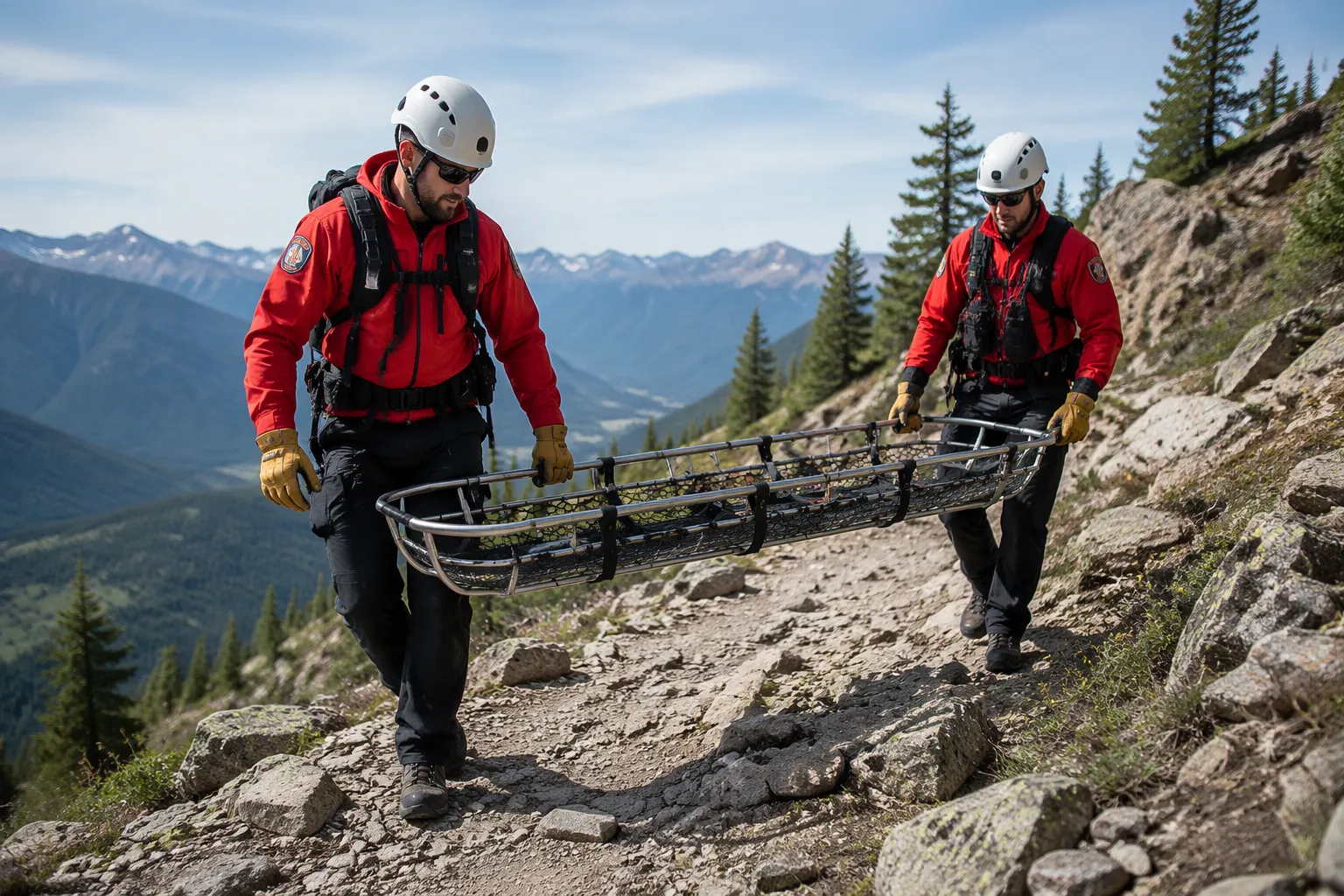
Backcountry missions test the litter over long distances and rough ground. A hiker with a leg fracture may lie miles from the nearest road. The rescue team must move that patient through talus fields, dense brush, and steep drainages. The basket stretcher stokes basket stretcher design shines here. Its rigid shell protects the patient from rocks and branches along the route. The raised rim keeps the body centered when the litter tilts on a sidehill.
Crews typically rig the basket with a bridle and carry it by the side handles. Four to six rescuers share the load, and they rotate positions to manage fatigue. On gentler terrain, two rescuers can drag the litter on its flat bottom. This technique saves energy on long approaches. Wheeled attachments help on established trails. Teams also use a simple rope belay on exposed sections. The litter's stability under load gives the belay team confidence.
Weather adds another layer of difficulty. Rain, snow, and cold demand quick patient packaging. The basket accepts sleeping bags, blankets, and vapor barriers around the patient. Rescuers secure the load with the cross straps and check the patient's airway before departure. A well-organized carry keeps the patient warm and stable for hours. Wilderness teams train these carries often, because the basket stretcher stokes basket stretcher becomes the patient's whole world until the ambulance arrives.
High-angle work raises the stakes. A fallen climber on a cliff face or a worker on a wind turbine needs a litter that behaves predictably in a rope system. The basket stretcher meets that need. Its frame accepts a four-point lifting bridle, and the load hangs level under tension. Rescuers attach the bridle to a main line and a belay line. The litter then travels up or down the face without spinning.
The rigid shell matters in this environment. A soft litter would fold against the rock and trap the patient's limbs. The basket holds its shape and shields the patient from contact with the wall. Edge attendants guide the litter past ledges and overhangs. They use tag lines to control rotation. Communication between the rigging team, the edge team, and the litter attendant keeps the raise smooth.
Technical teams also use the basket for pickoffs and transfers. A rescuer on rope can clip the litter to the patient's harness and move the patient into the basket in mid-air. This maneuver demands practice and clear signals. The twelve side handles give the attendant solid grip points during the transfer. Every high-angle operation depends on a simple rule: the litter must never become the weak link. Teams inspect the frame, the bridle, and every carabiner before the system goes live.
Confined spaces present tight geometry and limited access. A worker may collapse inside a tank, a silo, or a sewer vault. The entry hatch may measure only a few feet across. Standard litters often will not fit. Rescuers need a compact solution, and the basket stretcher offers options. Some models collapse or fold for passage through narrow openings. Crews then reassemble the litter inside the space and package the patient.
Vertical extraction follows a straight path. The team rigs a tripod or a davit arm above the opening. The basket rises through the hatch with the patient secured inside. Edge protection prevents the frame from catching on the lip. Attendants monitor the patient's position and the litter's clearance at every stage. The rigid shell protects the patient from protruding pipes, valves, and ladder rungs along the shaft.
Industrial sites add hazards of their own. Chemicals, heat, and moving machinery demand careful scene assessment before entry. Rescuers isolate the space and control the atmosphere first. The basket then serves as the transport platform once the patient is ready. Its corrosion-resistant construction suits wet and chemical-exposed environments. After the rescue, the team decontaminates the litter and inspects the straps and frame. This routine keeps the equipment ready for the next call.
Water rescues combine patient care with flotation and cold exposure. A basket stretcher with inflatable floats becomes a stable platform on the surface. Rescuers secure the floats to the frame and launch the litter from a boat or a shore point. The patient lies inside the basket, and the crew swims or tows the litter to safety. The raised rim keeps splashing water away from the patient's face.
Ice rescues follow a similar pattern with added urgency. A victim through the ice faces hypothermia within minutes. Rescuers approach with a tethered system and load the patient into the basket at the ice edge. The litter then slides across the ice or floats across open water to the shore. Speed matters, and the basket allows a fast transfer from the water to a warmed transport.
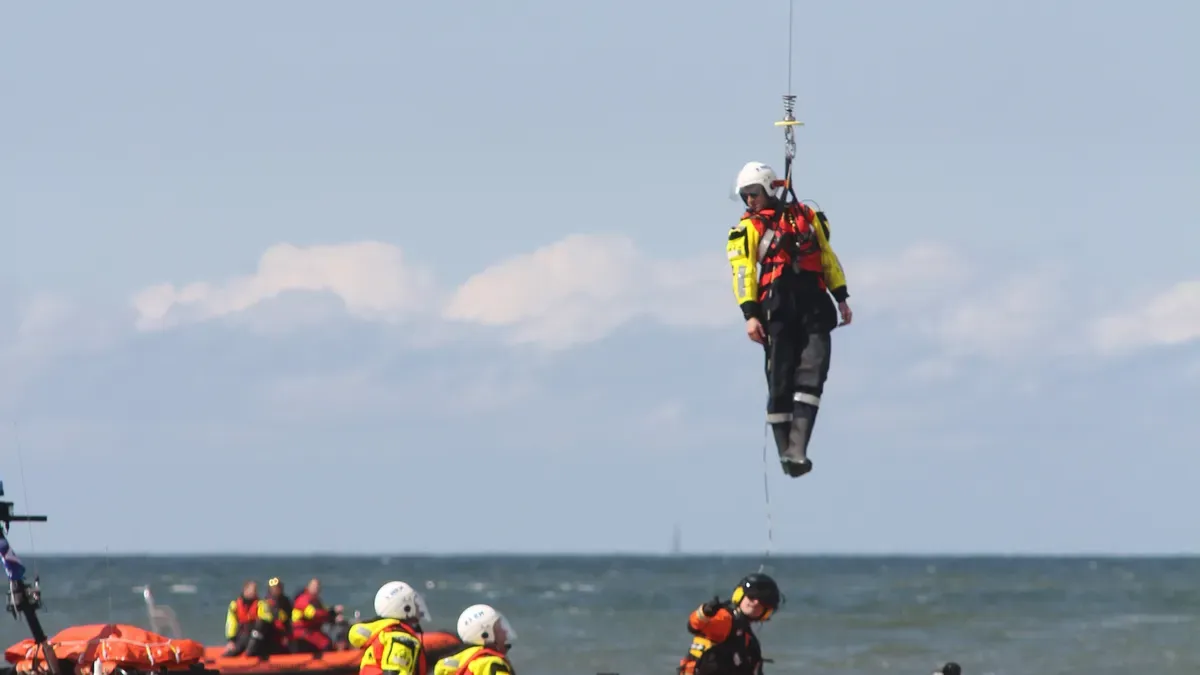
Maritime teams value the basket for hoist operations. A helicopter crew lowers the litter to a vessel deck or the water surface. The patient goes in, the straps tighten, and the hoist brings the basket up. Saltwater exposure punishes equipment, so corrosion resistance is critical. PE-shell baskets with aluminum frames handle this duty well. After each mission, crews rinse the litter with fresh water and check the fittings. This care extends the service life of the basket stretcher stokes basket stretcher and keeps it ready for the next emergency.
A basket stretcher performs only as well as the crew that rigs it. Good technique turns a rigid shell into a safe transport platform. Poor technique turns the same litter into a hazard. This section covers the four skill areas that decide most basket rescues: patient packaging, rigging systems, carries over rough ground, and problem-solving under pressure.
Patient packaging comes first. The crew performs a primary survey before anyone touches the litter. They check the airway, breathing, and circulation. They control bleeding and treat for shock. Only then does the patient move into the basket.
Spinal motion restriction drives the packaging sequence. The team log-rolls the patient onto a spinal board or a vacuum mattress. They apply a cervical collar and align the head. The patient then transfers into the basket as a unit. Many basket models accept a backboard directly, which saves a transfer step and reduces movement.
The strap pattern follows a simple rule: secure the torso first, then the limbs. Chest straps cross high and snug. Hip straps lock the pelvis in place. Leg straps prevent sliding during steep raises. A head immobilizer blocks lateral movement of the skull. Padding fills any gap between the patient and the shell, because a loose patient shifts under load.
A basket is not a package until every strap is tight, the head is blocked, and the patient's airway stays clear with the litter tilted.
Crews also protect the patient from the environment. A vapor barrier and blankets trap heat in cold weather. A tarp shields the face from debris and spray. Rescuers tape loose clothing and check that no strap pinches the skin. They lift the litter a few inches as a test. Any shifting load means the packaging starts again.
The rigging choice depends on the terrain, the load, and the available anchors. Four systems cover most basket operations.
System | Typical Use | Key Advantage |
|---|---|---|
Four-point bridle with main and belay lines | High-angle raises and lowers | Keeps the litter level and adds redundancy |
Helicopter hoist with suspension harness | Remote and maritime evacuations | Fast extraction from inaccessible ground |
Tripod or davit with a winch | Confined space and vertical shafts | Controlled vertical travel through hatches |
Hand carry with side handles | Short moves on moderate ground | No rigging time and full crew control |
The four-point bridle is the workhorse of technical rescue. Rescuers clip four legs to the frame's attachment points and join them at a central ring. The litter hangs level when the legs are equal. A main line carries the load, and a belay line backs it up. The rigging team sets edge protection before the litter reaches the lip. A litter attendant rides with the patient on complex lowers and manages the tag lines.
Helicopter operations demand strict discipline. The crew chief confirms the hoist signal with the pilot. The litter travels with the patient strapped in and the bridle checked twice. Ground crews never touch the litter during the hoist. Rotor wash can swing the load, so tag lines control rotation until the basket clears the aircraft.
Lowering systems follow the same logic in reverse. A brake rack or a descent control device meters the rope. The belay stays independent and ready. The edge attendant watches the litter's path and calls corrections. Every system shares one principle: the litter must hang level, and the load must never rest on a single point.
Hand carries test the crew more than any other technique. The basket's twelve side handles let four to six rescuers share the weight. Crews rotate positions every few minutes to delay fatigue. A carry leader sets the pace and calls the steps. The team lifts on command and moves in step over flat ground.
Sidehill traverses need special care. The uphill rescuers hold the high handles and bear more weight. The downhill rescuers steady the litter and prevent tipping. A tag line from a belay point adds control on exposed sections. The crew keeps the patient's head slightly uphill when the terrain allows.
Long approaches reward a few simple tricks. Two rescuers can drag the litter on its flat bottom over smooth rock and packed trail. Wheeled attachments roll well on established paths. A rope belay protects steep steps and stream crossings. The crew scouts the route before the carry begins and marks the hard sections.
Weather changes the plan. Rain makes rock slippery and handles hard to grip. Snow hides footing and slows the pace. Crews shorten rotation intervals and add rescuers on the handles. They also cover the patient early, because a wet patient loses heat fast. A steady, slow carry beats a fast carry that ends in a fall.
High-risk operations produce predictable problems. Experienced teams prepare answers before the call.
A spinning litter during a raise is a common issue. The fix is a tag line from the litter to a ground anchor or an attendant. The tag line controls rotation without fighting the main line.
A patient who deteriorates mid-lift forces a decision. The crew stops the raise at a safe point and treats the patient. The belay holds the load while the attendant works. Communication between the attendant and the rigging team keeps everyone aligned.
A litter that will not fit a hatch stalls a confined space rescue. Collapsible basket models solve this problem. The crew passes the folded frame through the opening and reassembles it inside. They then package the patient and rig the vertical extraction.
Corrosion and contamination shorten equipment life in water and industrial work. Crews rinse the frame and straps with fresh water after every mission. They inspect the shell for cracks and the straps for fraying. Damaged components leave service immediately.
Fatigue remains the quiet risk on every long operation. Crews plan rotations, request additional rescuers, and use mechanical advantage when the load grows. A fresh team at the right moment prevents injuries to both the patient and the rescuers.
Every problem in this list shares one root cause: a gap in planning. Teams that rehearse packaging, rigging, carries, and contingencies handle the real call with calm. The basket stretcher rewards that preparation with predictable, safe performance.
The basket stretcher stokes basket stretcher remains a rigid, versatile litter. It delivers safe patient transport in demanding conditions. Teams trust it across wilderness, technical, confined-space, and water rescues. Proper training, secure patient packaging, and smart system selection decide the outcome of every mission.
A backboard supports spinal immobilization on flat ground. A basket stretcher adds a raised rigid shell. That shell protects the patient during lifting, hoisting, and rough-terrain carries. Rescuers choose the basket for vertical and technical movement.
Load ratings vary by model and construction. Most rescue baskets handle patients up to roughly 250 to 300 kilograms. Crews confirm the rating on the frame label. They also factor in the litter's own weight during rigging calculations.
Mission demands drive the choice. Collapsible models fit narrow hatches. Float-equipped shells serve water operations. Suspension-compatible frames support hoist work. Teams match frame material, handles, and accessories to the environment before deployment.