Views: 13 Author: Site Editor Publish Time: 2026-04-28 Origin: Site
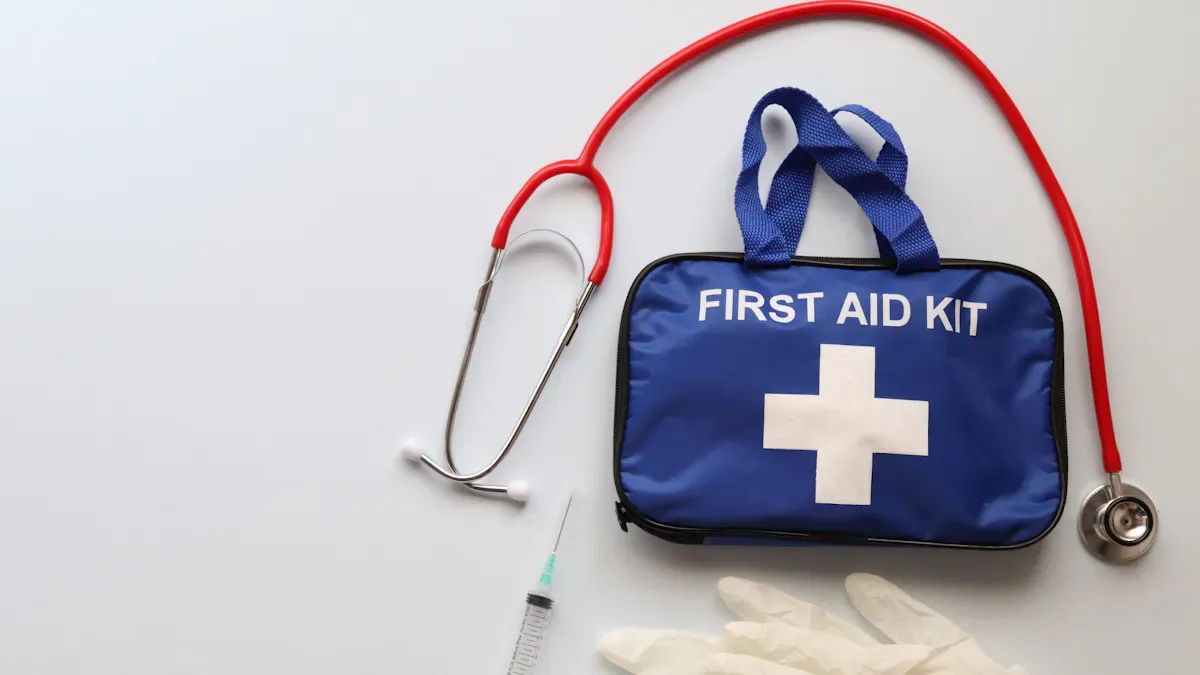
You want a first aid kit that fits your unique needs. OEM and factory customization let you select every detail, from the contents to the packaging. By working with a First Aid Kit First Aid Kit OEM manufacturer First Aid Kit factory, you gain control over quality, branding, and compliance for your organization.
OEM customization allows you to design first aid kits tailored to your specific needs, ensuring quality and compliance.
Factory customization provides options for unique items, addressing specific risks your team may face in different environments.
Choosing the right OEM manufacturer impacts your organization's safety and operational readiness, so evaluate their experience and quality assurance practices.
When you work with a First Aid Kit First Aid Kit OEM manufacturer First Aid Kit factory, you gain the ability to create kits tailored to your exact requirements. OEM stands for Original Equipment Manufacturer. In the context of first aid kits, this means you can design a kit from the ground up. You select the components, packaging, and branding. The manufacturer then produces the kit according to your specifications. This process ensures that your first aid kits meet the needs of your organization, whether you serve a school, a workplace, or a government agency.
The OEM process involves several key steps. You can see how a professional manufacturer manages each stage in the table below:
Description | |
|---|---|
Component Production | Manufacturing of hemostatic gauze, sponges, and dressings. |
Bandage Manufacturing | Production of elastic and non-elastic bandages, adhesive bandages, and advanced wound dressings. |
Customization | Custom printing and packaging for private label brands. |
Compliance | Adherence to FDA, CE, and other standards from the design phase. |
Supply Chain Management | Ensuring consistency and security of supply through established supplier relationships. |
Time-to-Market | Utilizing existing product libraries to expedite development cycles. |
Risk Management | Reducing R&D risk through proven track records in specific categories. |
You benefit from a streamlined process that covers everything from sourcing materials to ensuring regulatory compliance.
Factory customization gives you even more control over your first aid kits. You can request specific items for unique hazards or environments. For example, you might need waterproof bandages for diving teams or insect repellent for outdoor workers. Many organizations ask for extra pairs of nonlatex gloves, vinegar for jellyfish stings, or even a writing implement to record care details. You can also include sun protection items like reef-safe sunscreen.
Tip: When you customize your kit, you address the real risks your team faces. This approach helps you prepare for emergencies that standard kits might not cover.
A First Aid Kit First Aid Kit OEM manufacturer First Aid Kit factory can help you design kits for any scenario. You choose the contents, packaging, and even the color or logo. The factory then assembles and ships your kits, ready for immediate use.
You might wonder how OEM kits differ from standard first aid kits. The main differences appear in quality, features, and intended use. The table below highlights these distinctions:
Feature/Quality Aspect | Regular First Aid Kits | Gift First Aid Kits |
|---|---|---|
Supplies and Quantities | Multiple core items for longevity | Selective additions for specific lifestyles |
Quality of Items | Cost-effective, dependable brands | Materials marketed as gentler or pleasant |
Packaging and Build Quality | Rugged, hard-sided or heavy-duty soft pouches | Stylish, less rugged fabric or faux-leather |
Intended Use | Practical for wide audiences | Thoughtful gifts for specific occasions |
Cost and Value | Tied to quantity and quality of supplies | Higher cost for design and personalization |
OEM kits often use higher-quality materials and offer more options for customization. You can select rugged, waterproof cases or opt for lightweight, portable designs. Standard kits usually target a broad audience and focus on general needs. OEM kits, on the other hand, address specific risks and environments. This difference ensures your team receives the right tools for the job.
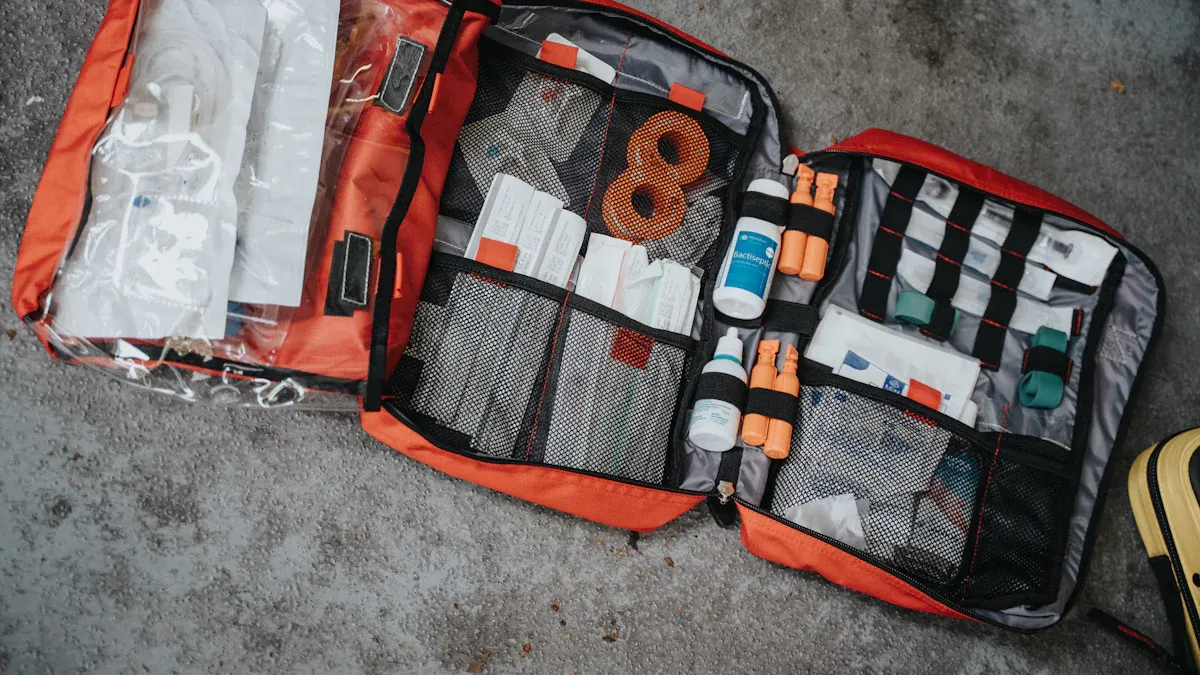
You can tailor your first aid kit to match the risks your team faces. Choose from trauma bandages, splints, burn dressings, or even specialized items like thermal blankets and insect repellent. A First Aid Kit First Aid Kit OEM manufacturer First Aid Kit factory helps you select the right components for your environment. You decide what goes inside, whether you need advanced medical tools for professionals or basic supplies for everyday use.
Packaging plays a crucial role in durability and accessibility. You select materials and formats that suit your needs. The table below shows popular packaging materials and their characteristics:
Material Type | Characteristics | Common Use Cases |
|---|---|---|
Polypropylene (PP) | Hard shell, impact resistant, stackable, recyclable. | Automotive, workplace, OEM kits |
EVA | Lightweight, semi-rigid, water-resistant but not waterproof. | Travel kits, bag inserts |
Nylon / Oxford Cloth | Flexible, soft bag format, durable. | Travel, hiking, sport first aid bags |
Aluminium / Metal | Maximum durability, heavy, premium aesthetics. | Industrial, marine, outdoor emergency kits |
ABS Plastic | Higher impact resistance, smoother finish, medical grade. | Hospital and clinic settings |
Recycled PP / Bio-based | Equivalent performance to virgin PP, ESG-driven demand. | Environmentally friendly kits |
You can select rugged cases for harsh environments or lightweight bags for portability.
You have the option to add your logo or brand to the kit. Private labeling helps you build recognition and trust. Manufacturers offer custom printing on bandages, wipes, and other items. Minimum order quantities apply, as shown below:
Customization Option | Minimum Order Quantity |
|---|---|
Adhesive bandage / Band aid | 500,000 pcs |
Wet wipe | 50,000 pcs |
Other items | 20,000 pcs |
You can create a kit that reflects your organization’s identity.
Certifications ensure your kit meets safety and quality standards. You select kits that comply with FDA, CE, or ISO13485 requirements. The table below summarizes common certifications:
Certification | Description |
|---|---|
FDA | Essential for Medical Facilities |
CE | Compliance with European health, safety, and environmental protection standards |
ISO13485 | Quality management system for medical devices |
You guarantee your kits meet regulatory demands for your region.
You start the process by discussing your requirements with the First Aid Kit First Aid Kit OEM manufacturer First Aid Kit factory. During this stage, you provide details about your project. Manufacturers typically request the following information:
Information Requested | Description |
|---|---|
Quantity | The number of units needed, typically starting at 100,000 pieces. |
Practicability | Discussion on the feasibility of the project, including design complexity and timelines. |
Costs | Breakdown of costs related to design services, prototypes, and unique markings. |
Custom Fill | Inquiry about the need for specific transport mediums for the product. |
This consultation ensures your kit matches your operational needs and budget.
You move forward by reviewing design proposals and sample kits. Manufacturers create prototypes based on your specifications. You evaluate these samples for quality and functionality. The typical timeline for this stage includes:
Sample Order & Evaluation: 3–6 weeks (2–3 weeks for samples)
Purchase Order & Production Approval: 5–7 weeks
You approve the final design before production begins.
Once you approve the samples, production starts. Manufacturers source raw materials from reputable suppliers and implement strict quality control measures. You benefit from ongoing system innovation, management innovation, elite innovation, and sector innovation. These practices ensure your first aid kits remain safe and effective.
Note: Continuous improvement supports high-quality production and reliability.
After production, your kits are packed and shipped. You receive updates on shipping status and delivery timelines. Global shipping networks allow rapid fulfillment, so your kits arrive ready for deployment.
You gain significant benefits when you choose factory customization for your first aid kits. Customization allows you to design kits that match your sector’s unique needs. You can ensure compliance with industry standards and select contents that address your operational risks. The table below highlights the main advantages organizations report:
Advantage | Description |
|---|---|
Design Flexibility | You can create kits for different sectors and environments. |
Compliance with Standards | You can tailor kits to meet OSHA, ANSI, or other regulatory requirements. |
Tailored Contents | You select medical supplies that fit your team’s real-world challenges. |
Customized kits also improve safety outcomes. You organize supplies for quick access, which reduces confusion during emergencies. Many workplaces see a 40% decrease in incident severity when using well-marked, customized kits. You also foster a culture of care and professionalism, making your team feel valued and prepared.
You may face challenges when ordering from a First Aid Kit First Aid Kit OEM manufacturer First Aid Kit factory. Quality control can vary between suppliers. Hidden costs sometimes arise from logistics or raw material price changes. Delivery delays may occur due to logistical issues. The table below outlines common challenges and solutions:
Challenge | Description | Solution |
|---|---|---|
Quality Control | Inconsistent quality among suppliers | Set clear standards and conduct audits |
Cost Management | Hidden costs and price fluctuations | Negotiate contracts and diversify suppliers |
Lead Times | Delivery delays | Work with reliable suppliers and maintain inventory |
Supplier Reliability | Production shutdowns or capacity limits | Build relationships with backup suppliers |
Commercial Inflexibility | Difficulty adapting orders to market needs | Seek professional customization support |
You also face selection and execution risks, such as sourcing the right kit architecture or ensuring all components meet your expectations.
You should consider cost and order requirements before starting a customization project. Minimum order quantities often apply to both kits and individual components. The following table summarizes typical minimums:
Item | Minimum Order Quantity |
|---|---|
Adhesive bandage / Band aid | 500,000 pcs |
Wet wipe | 50,000 pcs |
Other items | 20,000 pcs |
First Aid Kits | 3,000 sets |
Other medical items | USD 3,000.00 for less than 3 items/order |
You may need to plan for higher upfront investment, especially for large-scale projects. Understanding these requirements helps you budget and manage your supply chain effectively.
You should always check the experience and reputation of any First Aid Kit First Aid Kit OEM manufacturer First Aid Kit factory you consider. Look for companies with a proven track record in your industry. Reliable suppliers often share case studies or references from past projects. You can also review their global reach and ability to handle large orders. A strong reputation signals that the manufacturer delivers consistent quality and meets deadlines.
Quality assurance stands at the core of every successful first aid kit project. Leading manufacturers use advanced manufacturing technology to maintain high product standards. They follow strict quality control systems and adhere to international safety standards. You should expect your supplier to:
Implement rigorous quality management systems.
Monitor every stage of production for compliance.
Provide documentation for regulatory audits.
This approach ensures your kits meet FDA, CE, or ISO13485 requirements and perform reliably in emergencies.
Excellent customer service helps you avoid costly mistakes and delays. You want a supplier who responds quickly and resolves issues efficiently. Key indicators of effective customer service include:
Metric | Description |
|---|---|
Shows the value placed on after-sales support. | |
Spare parts sales | Reflects ongoing support for kit maintenance. |
Contract attachment rate | Measures how many kits have service agreements. |
Customer satisfaction | Gauges how well the supplier meets your needs. |
You should also look for fast complaint resolution and readiness for regulatory audits. These factors build trust and ensure a smooth partnership.
Choosing OEM and factory customization for first aid kits gives you control over quality, compliance, and branding. Review the table below to guide your selection of a First Aid Kit First Aid Kit OEM manufacturer First Aid Kit factory:
Consideration | Description |
|---|---|
Production Capability | Output volume, scalability, and emergency response ability |
Quality Control | Material inspection, in-process checks, and batch traceability |
OEM Capabilities | Private label, custom packaging, and compliance labeling |
Product Range | Broad medical PPE portfolio |
Communication | Clear technical support and responsive after-sales service |
Selecting the right partner impacts your organization’s safety and cost efficiency:
You improve emergency response outcomes.
You enhance operational readiness and reliability.
You gain tailored solutions for your specific needs.
Evaluate your requirements carefully to ensure the best fit for your team.
You usually need to order at least 3,000 sets for custom first aid kits. Some items, like bandages, may require higher minimums.
Yes, you can add your logo or branding to the kit and packaging. This helps promote your organization and ensures brand consistency.
Production and delivery typically take 5–7 weeks after you approve the sample. Shipping times may vary based on your location.